The War on Free Speech: How America Is Silencing Dissent
Tucker Carlson and Glenn Greenwald discussed the crisis of free speech. From campuses firing professors to corporations silencing employees to platforms de-platforming users, censorship is everywhere. My GitHub suspension is one data point in a vast landscape of suppression.

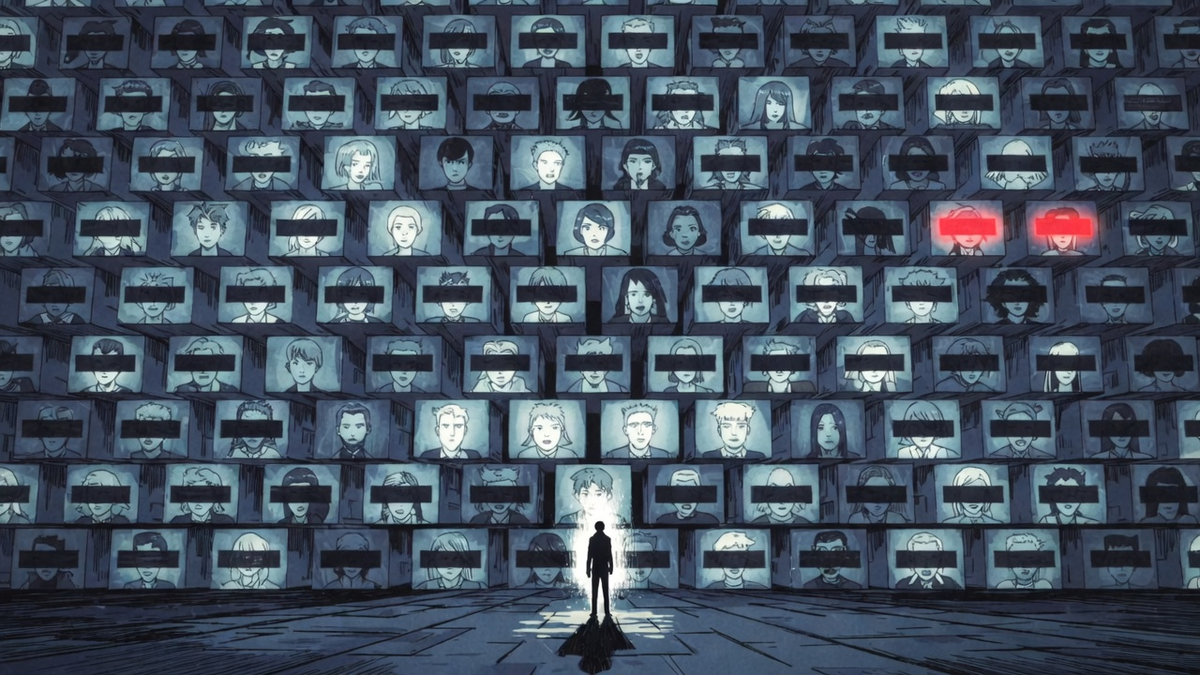
Tucker Carlson and Glenn Greenwald sat down recently to talk about something that should frighten every American. Their conversation touched on where all the protests went, why both parties agree on endless war, and whether Americans will be arrested for their opinions.
I've got personal reasons to care about this. Fifteen minutes. That's how long it took for GitHub to suspend my account after I posted something questioning whether the Greater Israel project has anything to do with Christianity. No warning. No real explanation. Just gone.
And here's what nobody wants to admit: this isn't about one platform or one topic. It's everywhere.
Campuses Were Supposed to Be Different
Colleges used to be where free thinking happened. Now they're cancellation factories, where students get expelled for the wrong opinion and professors get fired for research that upsets the wrong people. At Columbia, at UCLA, at schools across the country, the kids questioning foreign policy are the ones getting silenced.
The excuse is always "safety." The mechanism is always the same: complaint filed, "harassment" invoked, speaker silenced. Due process doesn't exist. Appeals are theoretical. The message is clear: say the wrong thing and your academic career is over.
Corporations Got in on the Act
GitHub wasn't an outlier. It's how corporations work now. Social media companies built massive detection systems for "misinformation" that mainly catch viewpoints outside the mainstream. DEI programs became parallel enforcement structures. None of it has constitutional limits. None of it has due process.
You post something controversial? Algorithms flag it. Moderators review it. If they decide it's problematic, you're banned. No trial. No appeal. The corporation is judge, jury, executioner.
And it doesn't stop at the platform. Employers monitor social media. Recruiters check your online history. Get canceled online and you might lose your job.
Both Parties Agree on This One
Here's the scary part: Republicans and Democrats agree on almost nothing, except that certain speech needs to be restricted. Democrats expanded "hate speech" to include political dissent. Republicans did the same. Both parties love platform moderation that silences the other side. Both parties watch the cancellation machinery run and do nothing.
The boundary of acceptable speech keeps shrinking. It never expands. Today's moderate take is tomorrow's thought crime.
The Theological Piece
I've written before about why this matters spiritually. Christian Zionism created a framework where supporting certain governments became a religious test. Question it and you're not just wrong politically, you're committing theological error.
The Catholic Church doesn't embrace political Zionism. The Vatican recognized Palestine. Pope Francis warned against fanatical Zionism. But American Christians are pressured to treat unwavering support for specific governments as faithfulness to God.
That's coercion. That's theological censorship hiding behind politics.
Private Companies Control the Public Square
Here's what my GitHub suspension taught me. It's not just government restrictions. It's private platforms making political decisions without any constitutional accountability.
Facebook, Google, X, these companies control how most Americans get information. When they decide certain viewpoints are "misinformation," they're making political choices that affect hundreds of millions of people.
The real question isn't whether Americans get arrested for opinions. It's whether they get de-platformed, fired, and canceled without any arrest being necessary.
How Did We Get Here?
This didn't happen overnight. Decades of legal decisions, technological changes, and cultural shifts built the current system.
The First Amendment never applied to private companies. For most of American history, that didn't matter much. Anyone could print a pamphlet, start a newspaper, speak on a street corner. Low barriers to entry.
Then the internet came along and briefly fulfilled that promise. Anyone could reach a global audience.
But then the platforms consolidated. Algorithms took over. Liberation tools became control tools. The same technology that let everyone speak also let corporations systematically suppress speech.
And "harmful speech" kept expanding. What started as protecting against direct threats became protecting against "microaggressions," "dogwhistles," and "contextual" violations that only corporate moderators can parse. Secret rules. No democratic accountability.
It's Worse Elsewhere
America likes to think we're the free speech champions, but we barely qualify. Germany, for instance, has criminalized Holocaust denial and expanded its antisemitism laws to cover criticism of Israel, with BDS facing legal restrictions and police raiding homes for social media posts. The UK has criminalized "abusive" and "threatening" online speech, with police even investigating citizens for quoting historical texts online. Canada's Online Harms Act gives the government power to force platforms to remove "harmful" content within 24 hours, with "harmful" defined to include speech that "humiliates" or "degrades." France and Australia have similarly restricted speech, each justifying their actions as necessary against misinformation or extremism. We used to be the beacon of free speech. Now we're just slightly less restrictive than our allies.
Real People, Real Damage
These cases are documented and verified. In Tennessee, a retired police officer named Larry Bushart spent 37 days in jail after sharing a meme on Facebook. The sheriff admitted he knew the post was not a threat, but arrested him anyway. He lost his job and missed his wedding anniversary and the birth of a grandchild before being released after public backlash. At the University of Tennessee, graduate student Kimberly Diei was investigated and nearly expelled for tweets about Cardi B's song "WAP." A federal appeals court later ruled her speech was "clearly protected" by the First Amendment, and she received a $250,000 settlement. FIRE's case archive contains over 1,300 similar cases, each representing someone whose life was disrupted for exercising free speech.
These stories are common. Thousands of Americans get cancelled every year. The machinery doesn't just suppress speech. It destroys lives.
Media Plays a Role
The corporate media enforces acceptable discourse boundaries too. Not through conspiracy, through incentives. Advertisers pressure outlets. Audiences self-select into echo chambers. Sources only talk to friendly reporters. The easy path is amplifying mainstream narratives and ignoring anything else.
When a story challenges consensus, it's ignored. When it threatens powerful interests, it's attacked as misinformation. The media functions as gatekeeper without admitting the job.
That's why independent media matters. Tucker Carlson. Glenn Greenwald. They're filling a vacuum left by outlets that stopped challenging power.
The Economic Hit
Free speech restrictions hurt economically too. Bad ideas don't get tested. Bad policies go unchallenged. Corruption stays hidden. Innovation dies because heterodox thinkers stay quiet.
Companies that fire employees for wrongthink lose talent. Universities that silence scholars produce worse research. A society that punishes dissent stops learning.
We're not just losing individual speakers. We're losing the benefits of open debate.
What Can People Actually Do?
This sounds doom and gloom, but there are real steps. Recognizing what's happening is the first form of resistance. When you see someone cancelled, speak up and document overreach. Building alternatives matters too: BitChute, Gab, Rumble, where different viewpoints are welcome. Censorship depends on concentration; spread it and the power shrinks. Supporting organizations fighting this, FIRE, Cato, others doing the work, makes a difference, even though they're underfunded and need help. And be willing to accept consequences. Free speech always cost something. The question is whether we'll pay it, and whether we'll stand with those who do.
The Pattern
I'm not claiming conspiracy. I'm not claiming one group controls everything. I'm documenting something more mundane and more terrifying: political, corporate, and institutional forces that all converged on suppressing dissent. Different motives. Same destination.
The war on free speech isn't coming. It's here. It's been here. Fought in European courtrooms, American boardrooms, campuses, and platforms.
The Real Question
Carlson and Greenwald asked if Americans will be arrested for opinions. That's maybe the wrong question. Americans get punished for opinions every day. Arrest is just the final step, after everything else fails.
The better question is simpler: how did we get here? And is there any path back to a country where you can question your government, challenge consensus, express unpopular opinions, without losing your career, your friends, or your platform?
I've written about the theological angle. I've written about my own cancellation. This post connects those dots. It asks whether the free speech we claim to value has already been hollowed out from inside.
The war isn't on the horizon. It's in our institutions. It's being fought over anyone who dares ask: what if we're being lied to?
The answer matters. Because whether American freedom survives depends on whether we keep asking.
If this resonated with you, I'm writing regularly about faith, culture, and free speech. Get updates when new posts go live:
Sources
- Tucker Carlson X Post (March 16, 2026): Video discussion with Glenn Greenwald on the current state of free speech
- Jewish Insider (March 2026): Coverage of AIPAC's influence in Democratic primaries
- The Atlantic: Yair Rosenberg: Analysis on anti-Zionism and antisemitism
- Reason Magazine: Analysis of free speech and platform accountability
- ADL Never is Now Conference (March 2026): Coverage of antisemitism discourse
- Brookings Institution: "Evangelicals and Israel in American Foreign Policy"
- Heritage Foundation: "Evangelicals and Israel: A Theological and Political Analysis"
- Christianity Today: "The Rise of Christian Zionism in American Politics"
- Catholic Answers: "Christian Zionism and Catholic Teaching"
- Vatican News: Pope Francis warnings against fanatical Zionism
- Previous posts in this series: "Jesus Is the Temple" and "Are Christians Really Required to Pledge Loyalty to Bibi Netanyahu?"
- FIRE: "Ex-cop sues after spending 37 days in jail for sharing meme": Larry Bushart case (December 2025)
- FIRE: "Her grad school tried to expel her for a tweet about Cardi B": Kimberly Diei case, $250K settlement (January 2025)